


When it comes to cinematic adaptations of beloved musicals, expectations are high—and often unforgiving. Wicked Part One, the highly anticipated film based on the Broadway sensation, aims to captivate audiences with its backstory of Oz’s iconic witches. However, despite standout performances from Cynthia Erivo and Ariana Grande, the film struggles to enchant those unfamiliar with the original stage production.
An Adaptation Halved
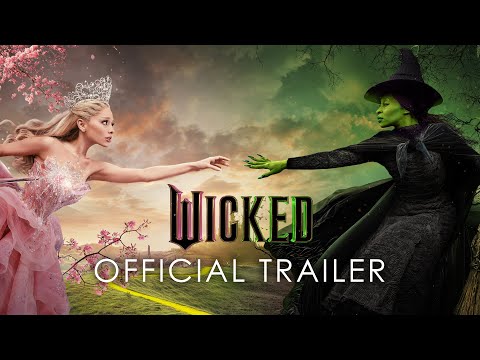
A key fact to note about Wicked Part One is right there in the title: it is only the first half of the story. Unlike its Broadway counterpart, which delivers a complete narrative, the film ends mid-arc with a bold “To Be Continued” onscreen. This decision places it among the ranks of Harry Potter and the Deathly Hallows and Mission: Impossible – Dead Reckoning, where splitting a story into two parts feels less like an artistic choice and more like a strategy to maximize box office returns. Viewers may find themselves frustrated after two and a half hours, knowing that they’ll have to wait another year for narrative closure.
The division also raises questions about pacing. While the filmmakers, led by director Jon M. Chu (Crazy Rich Asians, In the Heights), clearly respect the material, stretching it across two films undermines its ability to sustain momentum. Rather than soaring through a tightly woven tale, Wicked Part One occasionally feels bloated and self-indulgent.
A Tale of Two Witches
The story begins where the 1939 classic The Wizard of Oz leaves off: with the Wicked Witch of the West’s watery demise. As Glinda the Good (played by Ariana Grande) arrives to address the Munchkins, flashbacks unravel her past friendship with Elphaba, the misunderstood girl who would become the “Wicked Witch.”
Erivo shines as Elphaba, infusing the character with vulnerability and latent power. Her green skin makes her an outcast from birth, while her telekinetic abilities isolate her further. Erivo deftly balances Elphaba’s yearning for acceptance with a simmering anger at the world’s injustices. Opposite her, Grande (credited as Ariana Grande-Butera) delivers a charming performance as Galinda, a vain, bubbly queen bee with a secret depth of character. While Grande’s vocal prowess is undeniable, her comedic timing adds unexpected layers to a role that could have veered into caricature.
The pair’s reluctant friendship forms the film’s emotional core. Their dynamic comes alive in numbers like “What Is This Feeling?” and climaxes with the iconic “Defying Gravity.” Yet, despite the powerhouse performances, the film’s emotional beats are undermined by underdeveloped side plots and characters who feel sidelined for Part Two.
A World of Glitz and Gloss
Visually, Wicked Part One dazzles. From the shimmering halls of Shiz University to the golden hues of the Yellow Brick Road, every frame bursts with color and detail. The film spares no expense, with intricately designed costumes and elaborate sets that feel both fantastical and lived-in. Stephen Schwartz’s songs remain a highlight, delivering rousing anthems that showcase the leads’ vocal abilities.
However, the production’s sheen cannot mask its shortcomings. Supporting characters, including Elphaba’s sister (Marissa Bode) and the talking animals subplot, are given scant attention. Michelle Yeoh’s Madame Morrible feels one-dimensional, while Jonathan Bailey’s Prince Fiyero, though charming, serves as little more than a romantic foil. These narrative loose ends detract from the story’s focus, leaving audiences with the sense that much of the film’s weight has been punted to Part Two.
A Heavy Sense of Self-Importance
Perhaps the greatest hurdle for Wicked Part One is its tone. The film carries itself with a self-conscious gravitas, underscored by its lung-busting empowerment anthems and dramatic visuals. While the themes of acceptance and individuality resonate, the film seems determined to present itself as a cultural touchstone, a goal that feels at odds with its more whimsical origins.
Questions it seeks to answer—why Elphaba wears a pointed hat or why the Yellow Brick Road is yellow—fail to engage deeply. Meanwhile, its broader messages about prejudice and self-worth are delivered with all the subtlety of a flying house.
Conclusion: A Prelude Waiting for Its Payoff
For fans of the musical, Wicked Part One offers a faithful and visually impressive adaptation, anchored by two stellar performances. But for those less enchanted by Broadway, it may feel like an overlong setup for a payoff still a year away. Without the humor, twists, or narrative urgency to sustain its runtime, the film falls short of casting a spell.
Ultimately, Wicked Part One feels incomplete, its magic bottled up until Part Two. Whether the two halves will combine into a cohesive whole remains to be seen.
