


Case Count UpdateSince the last update on April 25, 2018, 14 more ill people were added to this outbreak. As of April 26, 2018, 98 people infected with the outbreak strain of E. coli O157:H7 have been reported from 22 states. A list of the states and the number of cases in each can be found on the Case Count Map page. Illnesses started on dates ranging from March 13, 2018 to April 20, 2018. Ill people range in age from 1 to 88 years, with a median age of 31. Sixty-five percent of ill people are female. Of 87 people with information available, 46 (53%) have been hospitalized, including 10 people who developed hemolytic uremic syndrome, a type of kidney failure. No deaths have been reported. Illnesses that occurred after April 7, 2018, might not yet be reported due to the time it takes between when a person becomes ill with E. coli and when the illness is reported. This takes an average of two to three weeks. |
Investigation Update
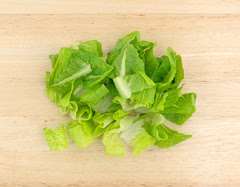
Information collected to date indicates that chopped romaine lettuce from the Yuma, Arizona growing region could be contaminated with E. coli O157:H7 and could make people sick. No common grower, supplier, distributor, or brand has been identified at this time. Read CDC’s advice to consumers, restaurants, and retailers.
This investigation is ongoing, including work to identify the source of the romaine lettuce. CDC will provide more information as it becomes available.
To read the full investigation notice, click here. For additional resources, including epi curves, case counts maps, advice to consumers, restaurants, and retailers, as well as the notice in Spanish, click here. For more information about Shiga toxin-producing E. coli and steps that people can take to reduce their risk of infection, click here.

Multistate Outbreak of E. coli Infections
Linked to Romaine Lettuce
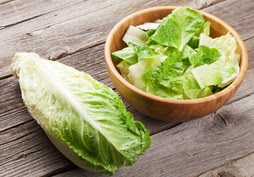
CDC, FDA, and several states are investigating an outbreak ofE. coli infections linked to romaine lettuce. Do not eat romaine lettuce unless you can confirm it is not from the Yuma, Arizona, growing region. Learn more about the outbreak and read our advice to consumers. The outbreak, which started in late March, has sickened 84 people in 19 states. Forty-two people have been hospitalized and nine developed a type of kidney failure called hemolytic uremic syndrome. No deaths have been reported. This outbreak investigation is ongoing. Learn about E. coli and what you can do to help lower your chances of infection in CDC’s feature. |
Multistate Outbreak of Salmonella Braenderup Infections Linked to Shell Eggs

CDC, FDA, and several states are investigating an outbreak of Salmonella infections linked to Rose Acre Farms shell eggs. Don’t eat, serve, or sell the recalled shell eggs, which were sold under many brand names, including Coburn Farms, Country Daybreak, Food Lion, Glenview, Great Value, Nelms, Publix, Sunshine Farms, and Sunups. Throw them out or return them. Wash and sanitize refrigerator drawers and shelves that held recalled eggs. Read CDC’s feature on Salmonella and eggs to learn how to reduce your chance of getting a Salmonella infection. |
Dairy Cows Linked to Salmonella Outbreak, Report Says
Contaminated ground beef was the likely source of an outbreak of Salmonella infections that made 106 people ill in 21 states in 2017, according to a report published in CDC’s Morbidity and Mortality Weekly Report. Slaughtered dairy cows carrying the outbreak strain of Salmonella Newport are thought to have been the original source of the contaminated ground beef eaten by sick people.
While no direct link was found, whole genome sequencing suggests dairy cows were the ultimate outbreak source.Foodborne outbreak investigations could be enhanced by improvements in the traceability of cows from their originating farms or sale barns, through slaughter and processing establishments, to ground beef sold to consumers.